Fast-growing technology companies rely heavily on stable, responsive IT infrastructure to support their teams. As organisations expand, their internal IT departments often experience periods where the demand for technical support exceeds available resources. When this happens, businesses need reliable partners who can step in quickly and maintain operational continuity.
Rydatech was selected to provide overflow IT support for Figma, ensuring their teams continue receiving responsive technical assistance when internal resources are stretched due to workload spikes, staff leave, or major technology initiatives.
This case study explores how Rydatech supports Figma’s operations and highlights how overflow IT support can help modern organisations maintain productivity while protecting their internal IT teams from burnout.
About Figma
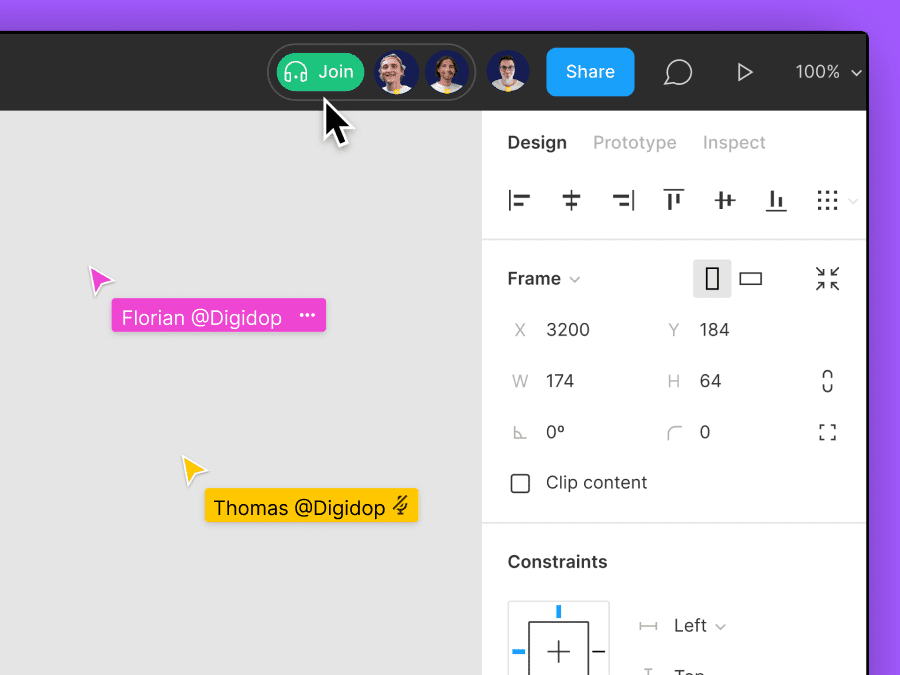
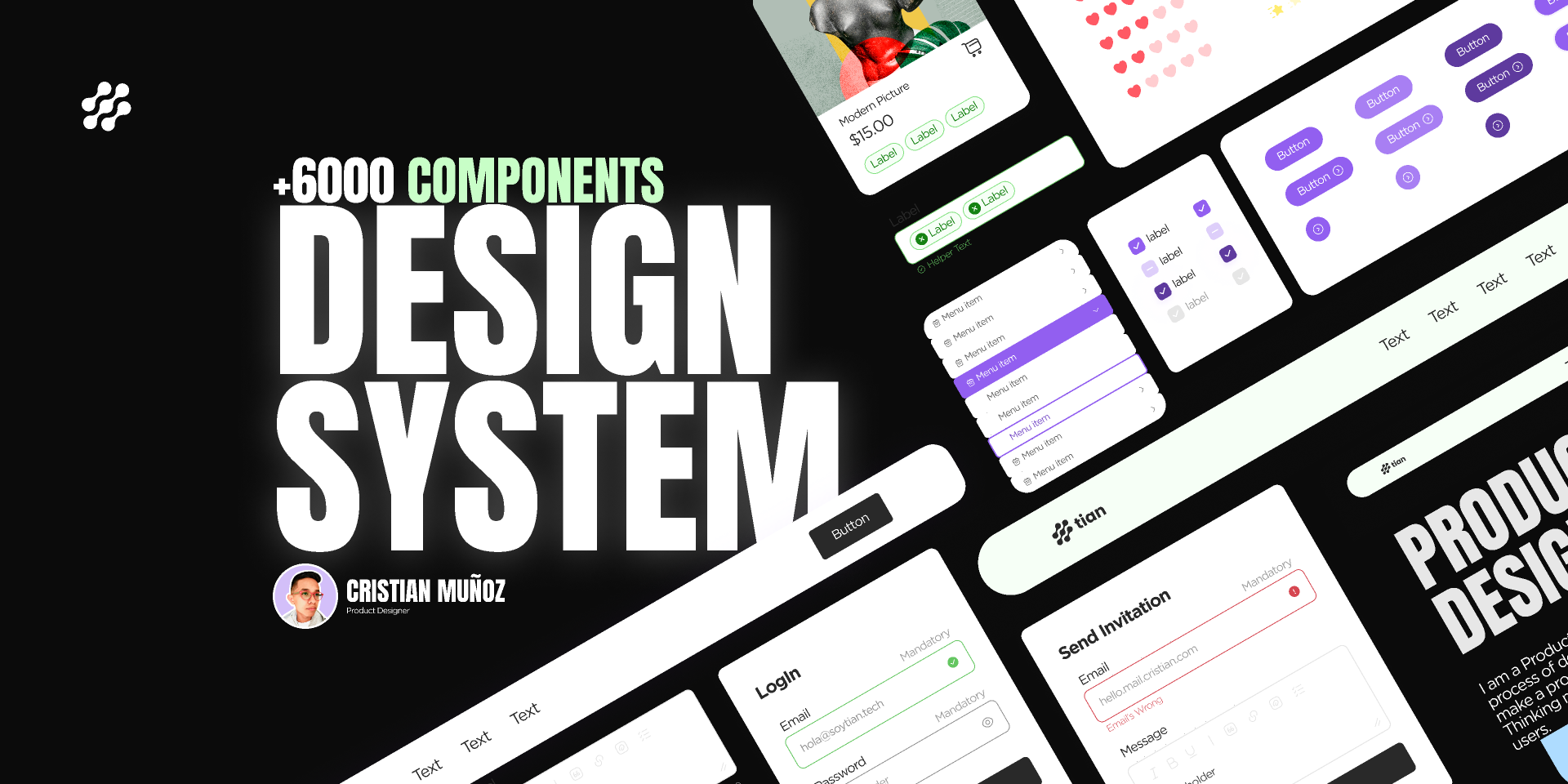
Figma.com is one of the world’s leading collaborative design platforms used by product designers, developers, marketers, and product teams to create digital products.
The platform is primarily used for:
-
User interface (UI) design
-
User experience (UX) design
-
Product prototyping
-
Design system management
-
Real-time collaboration
-
Developer handoff
Unlike traditional design tools that run locally on a computer, Figma operates as a cloud-based platform, allowing teams to collaborate on designs in real time through a web browser.
This means designers, developers, and stakeholders can work on the same project simultaneously, similar to how teams collaborate in cloud productivity tools like shared documents or spreadsheets.
Figma is widely used by companies building websites, mobile apps, and software platforms. Product teams rely on the tool to design everything from mobile interfaces and dashboards to entire application workflows.
Some of the key features that make Figma a critical platform for product development include:
Real-Time Design Collaboration
Multiple team members can edit the same design file at the same time. This eliminates the traditional workflow where designers send files back and forth or maintain multiple versions of a project.
Prototyping and Product Testing
Figma allows teams to create interactive prototypes that simulate how an application will behave. Product managers and developers can test user journeys before development begins.
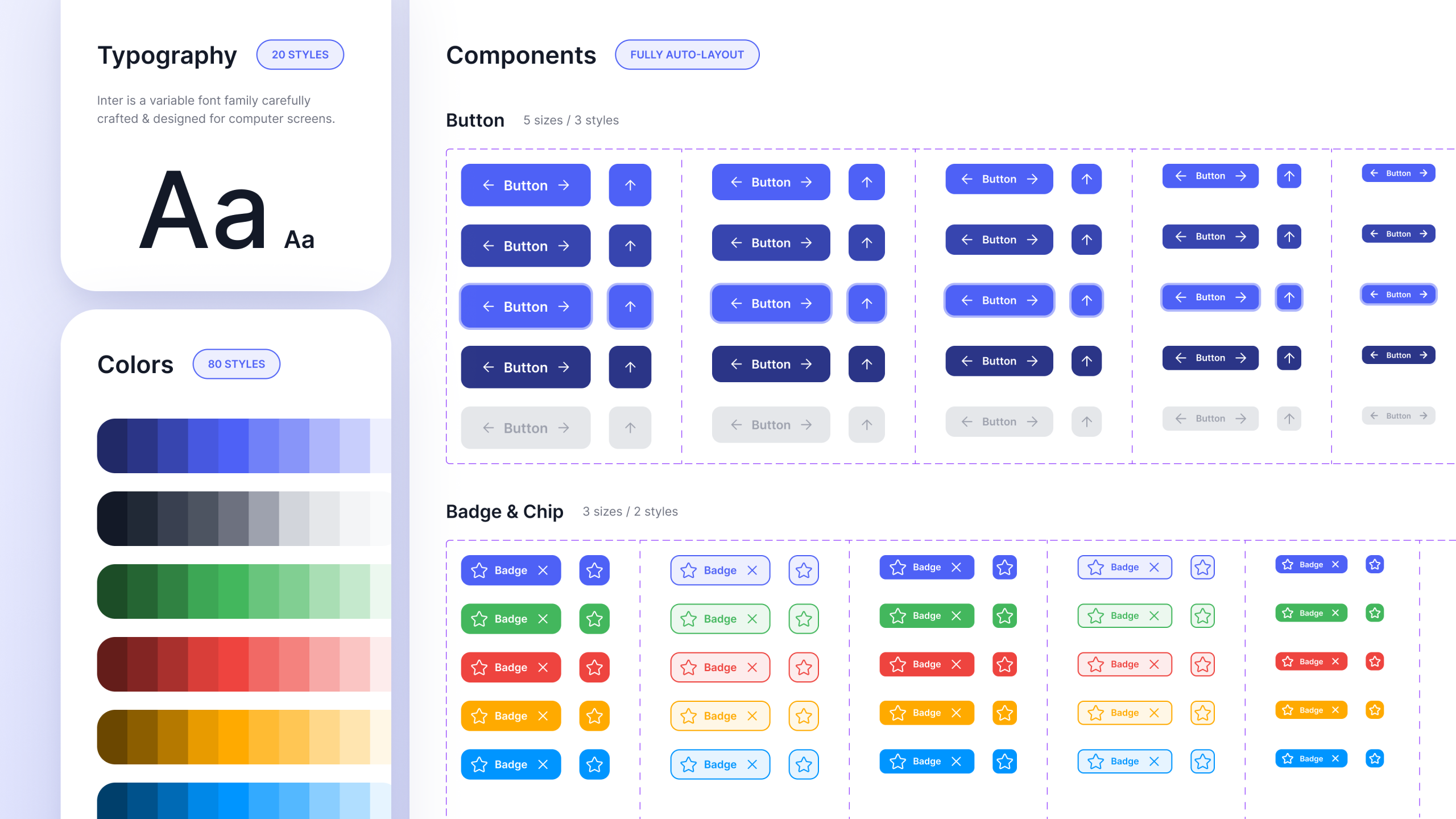
Design Systems and Component Libraries
Large organisations use Figma to maintain design systems that standardise colours, typography, icons, and interface components across all products. This ensures consistency across websites, mobile apps, and software platforms.
Developer Handoff
Once designs are complete, developers can inspect elements directly within Figma to see spacing, colours, and code-ready specifications. This greatly reduces friction between design and engineering teams.
Because of its collaborative nature, Figma is often deeply embedded in the daily workflows of product teams. Any disruption to the technology supporting employees can directly impact productivity across multiple departments.
The IT Support Challenge
Companies like Figma rely on sophisticated internal IT environments to support a large number of employees working across design, engineering, product management, marketing, and operations.
Internal IT teams must support:
-
Employee devices and hardware
-
Cloud collaboration platforms
-
Network connectivity
-
Security and identity management
-
Software deployments
-
New employee onboarding
-
Remote workforce infrastructure
Even with a strong internal IT department, there are periods when demand for support increases significantly.
Common situations that create pressure on internal IT teams include:
-
Rapid company growth and employee onboarding
-
Device deployments and hardware refresh cycles
-
Major product releases
-
Internal infrastructure upgrades
-
Staff holidays or extended leave
-
Unexpected surges in support tickets
During these periods, internal IT engineers must balance strategic projects with day-to-day support requests. Without additional assistance, support queues can grow and response times can increase.
This is where overflow IT support becomes essential.
Why Figma Chose Rydatech
Figma required a trusted IT partner capable of supporting their internal team when workloads exceeded available resources.
Rydatech was selected because of its ability to operate as a flexible extension of an internal IT department, rather than replacing existing staff.
The goal was simple: ensure employees receive consistent technical support even when internal teams are busy or unavailable.
Rydatech provides overflow support that integrates seamlessly into the client’s existing IT workflows and processes.
How Rydatech Provides Overflow IT Support
Rydatech’s overflow IT support model focuses on flexibility, collaboration, and rapid response.
Rather than creating a separate support structure, Rydatech works alongside the internal IT team and assists whenever additional capacity is needed.
This includes supporting areas such as:
End User Support
Rydatech engineers assist with day-to-day support requests including:
-
Laptop and workstation troubleshooting
-
Software installation issues
-
Access and authentication problems
-
Peripheral device configuration
-
Operating system support
By handling routine issues, Rydatech allows internal IT engineers to focus on more complex technical work.
Device Deployment and Onboarding
Fast-growing companies like Figma frequently onboard new employees across different teams.
Each new hire requires:
-
Device preparation
-
Account setup
-
Software installation
-
Security configuration
Rydatech assists internal teams during onboarding surges, ensuring employees can start work immediately without technical delays.
Support During IT Staff Leave
Even highly capable IT departments require downtime.
When internal staff are on holiday, sick leave, or attending conferences, Rydatech ensures support services continue uninterrupted.
This guarantees employees always have access to IT assistance regardless of internal staffing availability.
Overflow Ticket Handling
When support requests increase rapidly, Rydatech can assist with clearing support queues by resolving incoming tickets.
This ensures employees receive quick responses and prevents ticket backlogs from building up.
Benefits of Overflow IT Support
The partnership between Rydatech and Figma demonstrates how overflow IT support creates measurable operational benefits.
Maintained Productivity
Employees receive quick technical support even during busy periods, preventing downtime and workflow disruptions.
Reduced Pressure on Internal IT Teams
Internal engineers can focus on infrastructure improvements, security initiatives, and product support without being overwhelmed by support requests.
Scalable IT Resources
Businesses can increase or decrease support resources based on demand without hiring additional permanent staff.
Improved Employee Experience
Faster IT support leads to happier employees and smoother day-to-day operations.
Rydatech’s Approach to Supporting Global Technology Companies
Rydatech specialises in providing enterprise-grade IT support that complements internal teams rather than replacing them.
This collaborative model ensures organisations maintain full control of their infrastructure while gaining additional support capacity whenever needed.
Rydatech engineers work within existing:
-
Ticketing systems
-
Communication channels
-
IT documentation platforms
-
Security policies
This ensures every support interaction aligns with the organisation’s internal IT processes.
Conclusion
As technology companies grow, the demand placed on internal IT teams continues to increase. Even well-staffed IT departments experience periods where additional support resources are necessary.
By partnering with Rydatech, Figma gained access to flexible overflow IT support that allows their internal team to maintain service quality while managing high workloads.
Rydatech acts as an extension of the internal IT department—stepping in during busy periods, covering staff leave, and assisting with support requests when demand spikes.
For modern organisations that depend on technology to operate, having a reliable overflow IT partner ensures IT support remains responsive, scalable, and resilient.